People don’t want to talk about long-term debt. They just want it gone. Credit cards, auto loans, student loans — they hang around longer than you’d like. And while you’re paying them down, you’re also trying not to damage your credit along the way.
Some vacations leave you feeling just as tired as when you left. The difference often comes down to intention. A trip planned around what you actually need can restore energy and perspective in ways a packed itinerary never will.
Flexibility and mobility aren’t just about how easily you can touch your toes. It’s about protecting how well your body moves over time and keeping your joints moving pain-free.
Fraud works because it taps into emotion — excitement, fear, urgency, even hope. When something sounds unusually generous, exclusive, or fast-moving, your guard drops just enough to make a quick decision. That split second is often all it takes.
You don’t wake up thinking, “I need more social connection.” You’re thinking about deadlines, responsibilities, errands, and everything that didn’t get finished yesterday. And yet, one of the strongest protectors of mental health isn’t productivity or planning — it’s connection.
People don’t avoid exercise because they don’t care about their health. They avoid it because the version they picture feels exhausting. Long, high-intensity workouts may sound good, but when you’re already low on energy, they feel like too much. Low-impact exercise offers a different approach — one that fits real life and still delivers real results.
If your budget only works on paper, it doesn’t work. A plan that falls apart by the middle of the month isn’t your discipline failing — it’s the budget design. Most budgets don’t work because they’re built on “ideal” spending instead of real life.
Work has a way of testing your patience. Deadlines shift, emails stack up, someone drops the ball, and a conversation doesn’t go the way you expected. Before you know it, your shoulders are tight and your tone of voice isn’t calm. Stress at work isn’t unusual, but how you respond to it determines whether it builds resilience or burnout.
Somehow we started believing that longer workouts mean better results. More time equals more progress and more sweat means more impact. But your body doesn’t measure effort in time. It responds to stimulus, recovery, and consistency.
You open a bill and it’s higher than it used to be. Groceries, utilities, and insurance premiums have increased, and even the small things like your morning latte begin to add up. You have to decide what you can afford and what’s no longer in the budget.
When you hear the word “strength,” you picture endless hours in the gym. But lasting strength isn’t about extremes. It’s about building a body that supports you in everyday life — now and years from now.
Not every spending decision needs to be made instantly. Yet most overspending doesn’t happen because of big, carefully planned purchases — it happens when something feels urgent, tempting, or emotionally justified right now. That’s where the 24-hour rule comes in.
Taking a break doesn’t always require packing a bag or leaving town. For many people, planning a trip can feel just as tiring as the work they’re trying to get away from. Time off turns into logistics, expenses, and full days that don’t leave time to recharge.
Beyond gym-goers, more people are paying attention to Creatine for reasons that have nothing to do with building muscle. It’s increasingly used to support physical strength, mental energy, and brain health — especially by people noticing changes in how their bodies and minds respond to everyday demands.
Money stress doesn’t show up all at once. It creeps in slowly — a little tension when you check your balance, a sense of unease before bills are due, or that feeling that you’re reacting instead of planning. Nothing may be “wrong,” yet something still feels off.
Time away should reduce pressure, not create more of it. Trips get packed with plans. Even rest comes with pressure — where to go, what to see, how much you can fit in before it’s over. For many people, that pressure follows them home.
Some days your energy feels solid. Other days it drops without warning — focused one hour, worn down the next. If that sounds familiar, it may not be “just stress” or “just getting older.” Your blood sugar patterns can play a real role in how you feel from one hour to the next.
Most people don’t get stressed because they spend money. They get stressed because something comes up out of nowhere. The car needs work. A medical bill shows up. Your furnace needs to be replaced.. You weren’t planning for it, and now you’re trying to figure out how to cover it without everything else falling apart.
Most people aren’t dealing with just one source of stress. It’s the daily buildup of work demands, family responsibilities, finances, and the endless to-do list. Ongoing stress can start to impact your health and how you feel.
We usually don’t think much about our immune system. It only gets attention when we start feeling run down or sick. But the truth is, immune health is shaped over time, by the choices we make every day.
People don’t need an explanation of inflation — they’re already feeling it. Groceries cost more. Utility bills are higher. Daily expenses take up more of the budget than they used to. When prices keep rising and paychecks don’t, it can feel frustrating and exhausting.
Social connection plays a bigger role in mental health than many people realize. Feeling connected to others can influence mood, stress levels, and how supported you feel in everyday life. When those connections are missing or limited, it can be harder to manage stress or feel grounded — even if everything else seems fine on the surface.
People pay closer attention to their health now because it’s easier to do. Smart Watches and health apps easily track things like sleep, movement, and heart rate, giving you info about how your body is doing every day.
Financial stress has a way of affecting more than your budget. It follows you through your day—into your sleep, your focus, your patience, and sometimes even your confidence. Many people carry this stress quietly, trying to push through while juggling bills, unexpected expenses, or shifts in income. It’s a common experience, but that doesn’t make it easy.
Spending time outside has a way of helping your mind settle. Whether it’s a few minutes in the suan, a short walk, or just stepping out to breathe in fresh air, being outdoors offers a kind of relief that’s easy to overlook. But these small moments matter. They give your mind room to slow down, reset, and reconnect with what helps you feel grounded.
Healthy routines don’t happen all at once. They’re built through small choices—things you do every day that silently support how you feel. Habit stacking is a simple way to make those choices easier. Instead of starting from scratch, you add a new habit onto something you already do. Over time, these small additions can create routines that feel natural rather than forced.
Money feels personal because it touches nearly every part of life. When someone has been through periods of financial strain, those experiences often stay with them. Even long after things improve, old worries can resurface during everyday decisions—sometimes quietly, sometimes strongly. This is a more common experience than most people talk about.
Even small moments of connection—a quick conversation, a shared laugh, a familiar face—can make life feel lighter. When people feel supported, understood, or simply “seen,” the day tends to feel easier to move through. That’s because connection isn’t just social; it’s emotional support in a form most of us don’t even realize we’re relying on.
Eating well becomes much easier when it feels personal. Most people have tried following general advice or copying someone else’s routine, only to find that it doesn’t match how they feel or what their day looks like. Personalized nutrition takes a different approach. It focuses on noticing what helps you feel comfortable, satisfied, and supported throughout the day, without forcing you into strict rules or complicated plans.
Life changes in so many ways—new routines, different work hours, family needs, or unexpected expenses. When that happens, your budget often shifts right along with it. And while those changes can feel unsettling at first, staying financially steady doesn’t mean starting over. It simply means adjusting things so they fit where you are right now.
Lighten Your Load: Small Shifts to Make Your Day Easier
Feeling overwhelmed doesn’t always come from a crazy schedule. Much of it comes from the quiet pressure to show up for everyone, respond quickly, agree to things you don’t have time for, or carry responsibilities that were never really yours. This “social load” adds weight to the day long before you feel stressed. Lightening that load starts with a few simple habits that make space for breathing room.
Sleep affects everything—your energy, your mood, your focus, and how the day feels. When sleep is off, eaven simple things can feel harder. When sleep improves, the whole day often feels a little lighter.
Managing your money can feel overwhelming, especially when information is spread across different accounts, apps, and bills. Digital tools can help bring those pieces together so money feels easier to manage day to day. When things feel more organized, decisions feel a little less stressful.
Mental fitness isn’t built in big moments. It develops through small, steady habits that support focus and emotional balance. It doesn’t require long practices or perfect routines—just simple actions that help the mind stay clear and centered.
For years, conversations about health have centered on longevity. How long will I live? What can I do to add more years? While those questions still matter, they don’t always reflect what people are thinking about day to day. What matters most is whether your health supports daily life, not just future goals.
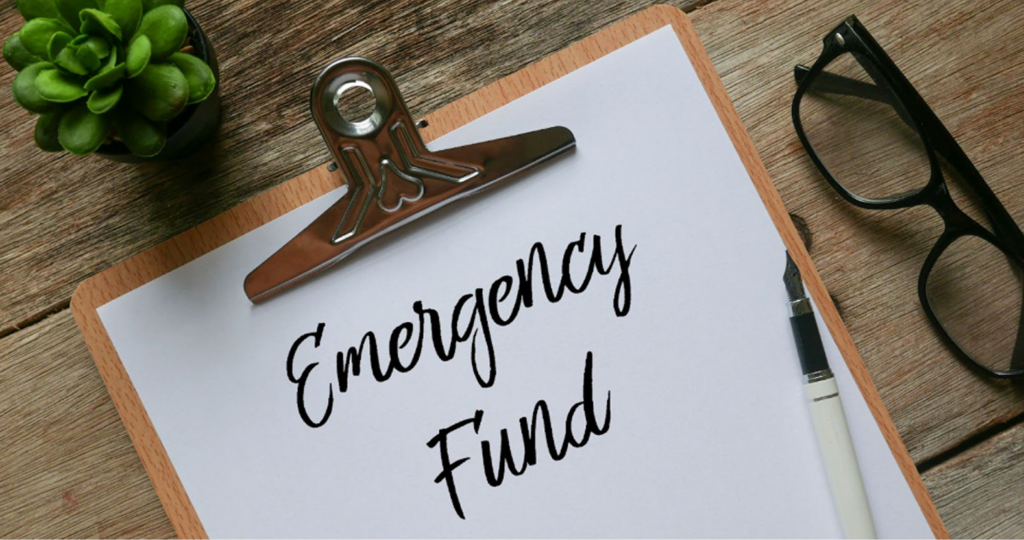
Most people already know they “should” have an emergency fund. That’s not the issue. The issue is that the traditional advice around saving often doesn’t line up with how life actually works right now. Costs are higher, budgets are tighter, and waiting until everything is perfectly in place before saving usually means nothing ever gets started.
Self-care is everywhere. It’s often framed as something you do alone. A quiet morning. A bubble bath. A perfect routine. While those things can feel good, they don’t always address what people actually need to stay mentally well.
Most people hear the word metabolism and immediately think about weight. Or calories. Or something they feel like they’re doing “wrong.” In reality, metabolism is much simpler — and much more personal — than that.
Managing money can feel overwhelming when finances are spread across multiple accounts and bills. Digital tools have made it easier to see the full picture in one place. When used thoughtfully, they can reduce stress and support better financial habits over time.
Mental health is often treated like something you react to when things go wrong. In reality, it works more like physical fitness. It’s something that’s built, practiced, and maintained over time.
Healthy aging isn’t about chasing a number or trying to look younger. For most people, it’s about feeling capable in everyday life. It’s about moving with confidence, maintaining energy, and handling daily tasks without feeling worn down.
Money stress rarely stays confined to finances. It often shows up in sleep, focus, relationships, and overall well-being. When financial concerns feel unresolved or uncertain, they can quietly shape how people move through their day.
Most of us spend more time on screens than we realize. Between phones, laptops, and constant notifications, it’s easy to move through the day without ever fully unplugging. Over time, that constant input can quietly affect focus, energy, and mental clarity.
When people think about aging well, they often picture staying active and feeling energetic. Most of all, they want to enjoy daily life without constant physical limitations.What many don’t realize is that metabolic health plays a quiet but powerful role in how we experience aging.
Money decisions are rarely just about numbers. They’re tied closely to what matters most in your life — security, flexibility, family, time, and peace of mind. When financial choices don’t reflect those priorities, money stress often follows.
Burnout rarely shows up all at once. It builds slowly, often in ways that are easy to miss. You keep showing up, getting things done, and pushing through — until one day it feels harder than it should. By then, burnout has usually been growing for a while.
Better health doesn’t come from one big decision or dramatic change. More often, it’s built quietly through everyday choices that add up over time. What you do most days matters more than what you do occasionally, even when those choices feel small.
Money stress rarely comes from one big problem. It usually builds from small uncertainties — not quite knowing what’s coming next, what’s already committed, or whether there’s enough room to handle surprises. Even when bills are paid, that lingering unease can still be there.
Most people understand physical fitness. You move your body, you take breaks when you need them, and over time you feel stronger. Mental fitness works the same way — but it’s something many people don’t think about until they feel worn down.
At some point, many people notice their energy just isn’t what it used to be. You sleep, you eat, you get through the day — but still feel tired sooner than you expect. It’s easy to chalk that up to aging or a busy schedule, but there’s often more going on beneath the surface.
Budgets get a bad reputation. For a lot of people, the word alone feels restrictive or stressful, like it means cutting out everything you enjoy or tracking every dollar perfectly. In reality, a budget is simply a way to understand where your money is going so you can feel more in control of it.
Sometimes the problem isn’t that you’re tired, you’ve just been in the same place too long! The same routine, the same walls, the same daily rhythm can slowly wear on your mindset. Even when you have time off, staying home doesn’t always give your mind what it actually needs.
Walking doesn’t get enough credit. It’s often overlooked because it feels too simple, too ordinary, or not “serious” enough to count as exercise. But walking is one of the most accessible ways to support your health — and it fits into real life without a lot of planning.
Saving money often feels like something you should already be doing — and if you’re not, it’s easy to feel behind. But saving doesn’t start with a perfect plan or a certain dollar amount. It starts with deciding that you want your money to work a little better for you.
By the middle of the week, most people are running on autopilot. You get through meetings, errands, family needs, and the endless small tasks that stack up fast. When the day finally slows down, your mind doesn’t always follow. That’s usually when people say, “I just can’t relax,” even though they’re exhausted.
At some point, almost everyone pauses their fitness routine. Life gets busy. Schedules shift. Motivation fades. What usually follows isn’t relief — it’s guilt. That feeling that you “should” be doing more, even when you don’t know where to begin again.
Aging well isn’t just about your body. It’s also about your mental health: how clearly you’re thinking, and how you manage life as it changes. For many people, getting older brings more flexibility in some areas — and more adjustment in others. And those changes can have a real impact on mental health.
Sleep is one of those things we know we need — but often the first thing we sacrifice. Late nights, on screens later than planned… it all adds up. And before you know it, you’re running on fumes and wondering why everything feels harder than it should.
Life doesn’t always give you a warning before something changes. A car repair, a medical bill, or an unexpected gap in income can show up quickly and turn into stress just as fast. That’s where a financial safety net comes in. It’s not about preparing for the worst — it’s about giving yourself breathing room when life does what it does best: surprise you.
You’re tired, you go to bed, and your body is ready — but your mind isn’t. Thoughts start racing. Conversations replay. Tomorrow’s to-do list shows up uninvited. The clock keeps moving, and sleep feels farther away instead of closer. If this sounds familiar, you’re not alone.
Food choices don’t just influence meals or weight — they shape how your body feels and functions throughout the day. Energy levels, focus, digestion, and even motivation are all connected to what you eat. When nutrition supports the body, everything tends to run more smoothly. When it doesn’t, small issues can quietly stack up.
Debt affects your finances — and how you think and feel day to day. Even when bills are paid and nothing urgent is happening, debt has a way of sitting quietly in the background. It shows up as tension, hesitation, or a constant sense that something is hanging over you. That stress isn’t imagined. It has a reason.
Some days it’s not work or your schedule that wears you down — it’s people. Conversations that linger in your head. Situations you keep replaying. Interactions that leave you feeling off, even though nothing “bad” really happened. That kind of mental drain is easy to overlook, but it adds up.
When it comes to diet and exercise, most people think the problem is discipline. If only they had more willpower, they’d eat better, move more, and feel healthier. But willpower isn’t the real issue. The way your body is fueled has a much bigger impact on energy, motivation, and consistency than sheer determination ever could.
Money has a way of communicating — even when you’re not actively paying attention. That uneasy feeling when you check your bank account, the hesitation before opening a bill, or the stress that creeps in when expenses come up unexpectedly are all signals. Your finances are telling a story about how things are going, and ignoring it doesn’t make the message go away.
You finally get a break. The workday ends, the calendar clears, and you sit down to rest — but your mind doesn’t follow. Thoughts keep looping. Tasks replay themselves. Tomorrow starts creeping in before today is even finished. This is the kind of rest that looks right on the outside but doesn’t actually help on the inside.
By the time your workday ends, you’re done. Not just “ready to relax” tired — but mentally foggy, physically drained, and wondering how you’re supposed to do anything else with the rest of your evening. This kind of exhaustion isn’t about being lazy or unmotivated. It’s a sign that stress and imbalance are taking more from you than you realize.
Money stress doesn’t always come from big problems. Often, it comes from small unknowns that quietly pile up. Charges you don’t remember authorizing. Accounts you don’t check regularly. Bills you assume are fine because nothing has gone wrong yet. What you don’t know about your money can create more tension than the numbers themselves.
A day off sounds like the solution when life feels heavy. You mark it on the calendar, look forward to it all week, and promise yourself you’ll finally relax. But when the day arrives, it passes quickly — and by the next morning, you’re right back where you started. Tired. Overloaded. Mentally behind. That’s because one day off often isn’t enough to undo weeks of mental strain.
Most people don’t set out to ignore balance. It usually happens quietly. Work stretches a little longer. Personal time gets pushed to tomorrow. Rest becomes something you earn instead of something you plan for. Over time, that pattern starts to shape how your body feels day to day — not dramatically, but consistently.
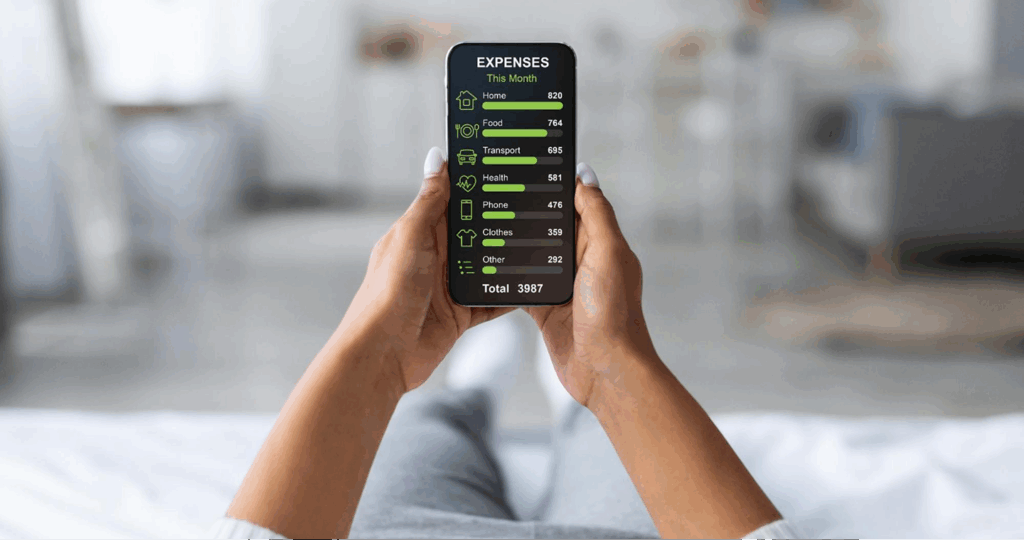
It’s easy to move through the week without really noticing how often you spend. A few small things here and there feel harmless — until you look back and wonder where everything went.But your spending habits tell a much bigger story. They shape the way you move through your week, the choices you make without thinking, and the level of control you feel over your finances. When you understand those patterns, everything becomes clearer — not just where your money goes, but how you can make it work better for you.
Most people think of self-care as something you finally get around to when life feels overwhelming. You wait for a free afternoon, a slow weekend, or a rare moment when everything settles down. But real self-care doesn’t depend on perfect timing. It works best when it fits your real life — the busy days, the rushed mornings, the moments when you’re juggling more than you’d like to admit. When self-care is simple and doable, it becomes something you can actually stick with, not something you save for later.
Most people think work/life balance is about scheduling—getting more organized, rearranging your calendar, or trying to squeeze productivity into every corner of the day. But balance usually breaks down long before your schedule does. It starts with the habits that shape your energy, your focus, and the way you move through your day. If your physical habits support you, your week feels calmer and more manageable. If they don’t, even simple days can feel harder than they should.
Most people don’t overspend because they’re careless. They overspend because life is busy and stressful and a little hectic, and small purchases feel like the easiest way to get through the day. A coffee here, a quick delivery there, a subscription you meant to cancel but never quite got around to. None of it feels dramatic — until the total hits your bank account and you can’t figure out where your paycheck actually went.
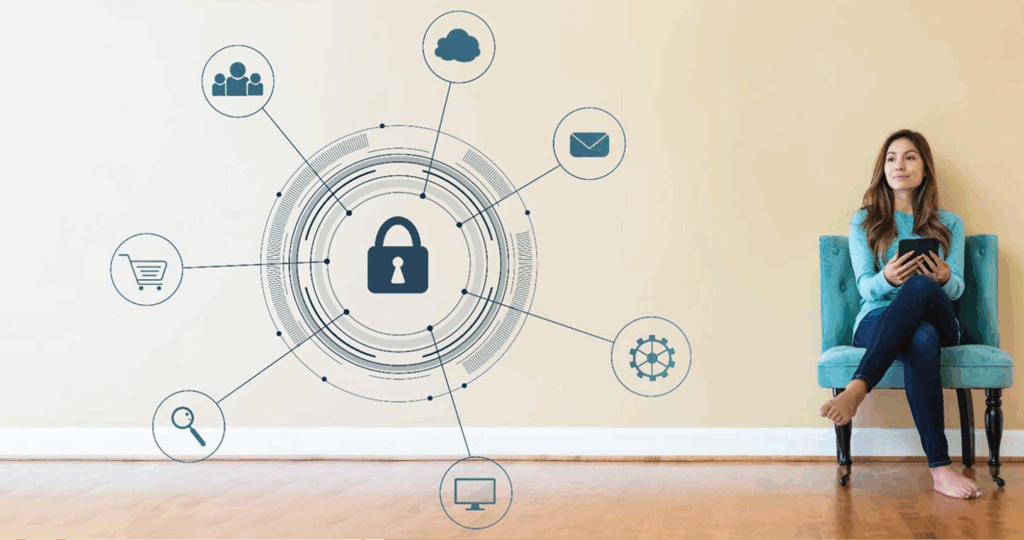
Every time you shop, stream, sign in, or scroll, you leave behind pieces of personal information. Most days, it feels routine — part of modern life. But the amount of data we share, often without thinking, makes it more important than ever to protect what belongs to you. Smart information protection doesn’t mean becoming tech-obsessed or fearful. It means taking clear, simple steps that keep your digital life secure.
Some days feel like they take off without warning — you open your eyes, check your phone, and suddenly you’re already behind. Tasks pile up, conversations overlap, and by midday your mind feels stretched thin. But a mental reset doesn’t require an hour-long break or a perfect wellness routine. Small, intentional pauses can shift your energy in just a few minutes and help you get back in control of your day.
Some days move so fast that meals become an afterthought — a quick bite between meetings, something grabbed in a rush, or whatever is easiest when energy runs low.
Self-care sounds great in theory. The spa day. The long bath. The perfectly planned “mental reset” where no one needs anything from you. But most people don’t live in a world where that happens on a random Wednesday. Life is busy. Work spills over. Family needs stack up. Your phone never really stops buzzing. And suddenly “self-care” feels like something designed for someone with a completely different life.
Some days it feels like you’re running on determination alone — not energy. You wake up tired, push through your morning, and hope a cup of coffee (or three) will carry you the rest of the way. But real energy doesn’t come from willpower. It comes from a handful of simple habits that support your body so it can actually support you.
Every time you shop online, open an email, or use your phone, you share pieces of your personal data. Most of the time, it feels harmless — until it’s not. In a world built on convenience, protecting your data isn’t just a tech issue. It’s a life skill.
In a world that moves faster every day, it’s easy to lose track of the present. Our minds drift to deadlines, notifications, and the endless scroll of things we “should” be doing. But mindfulness reminds us that peace doesn’t live in the past or future — it’s right here, waiting in the moment you’re in.
There’s a lot of talk about workouts, steps, and strength — but not nearly enough about rest. Recovery isn’t the opposite of progress; it’s the part that makes progress possible. When you give your body time to recharge, you’re not taking a step back. You’re giving it the chance to move forward stronger.
Security isn’t about fear — it’s about preparation. The more intentional you are with your financial and personal protection, the more confident you feel when life throws something unexpected your way.
When life feels heavy, it’s natural to dream about getting away — a quiet beach, a mountain cabin, somewhere far from your inbox and your routine. But peace doesn’t always require miles. Sometimes, it’s closer than you think.
Every day offers a fresh chance to build the version of yourself you want to be— stronger, calmer, more capable. The challenge is that “healthy living” often sounds like an all-or-nothing goal. But the truth is, strength isn’t built in leaps. It’s built in layers — one small, smart choice at a time.
Every day, thousands of scams target people just like you — fake texts, urgent emails, even phone calls that sound official. Scammers have become smarter, but so have the tools that help protect you. Staying ahead starts with awareness and ends with action.
Some days, calm feels out of reach. Deadlines stack up, screens blur together, and even rest feels like another task. But movement — simple, intentional movement — can help reset your mind faster than you might expect. You don’t have to be an athlete or even break a sweat. You just have to move with purpose.
The start of a new week always feels like a clean slate. You tell yourself you’ll eat better, move more, rest enough — but life rarely slows down to make that easy. The truth is, lasting change doesn’t come from big leaps. It comes from the small things you do consistently, even when you don’t feel like it.
When it comes to your money, your data, and your decisions, knowledge is your strongest protection. Every consumer in the U.S. has specific rights that safeguard against fraud, unfair billing, and identity misuse — but many people don’t know they exist until something goes wrong.
There’s something about getting away that resets your entire outlook. A change of scenery can quiet the noise in your head, lower stress, and even spark creativity. Whether you’re crossing a state line or simply discovering a park an hour from home, travel isn’t just about miles — it’s about mindset.
Healthy eating works best when it fits your real life. The goal isn’t to follow a perfect plan; it’s to find meals you actually enjoy and can repeat without stress. When nutrition feels personal and practical, it becomes something you want to keep doing.
Scammers are getting smarter — and faster. Every day, new tricks appear in inboxes, text messages, and social media feeds. They all share one goal: to make you act before you think. Learning to pause and check the facts can keep your money, data, and peace of mind safe.
Food is more than something we eat — it’s the fuel that powers every part of our lives. The right nutrition supports energy, mood, focus, and recovery. The wrong mix leaves us dragging through the day, wondering why we’re tired or unfocused. When you understand what your body truly needs, eating well stops being a struggle and starts feeling like support.
Online scams have become so common that even cautious people can get caught off guard. Texts that look like shipping updates, fake social-media giveaways, or emails from “customer service” can all hide the same goal — to steal your money or your personal information. Knowing how to recognize a scam before it happens is one of the smartest ways to protect yourself.
Energy doesn’t just appear — you build it, meal by meal. What you eat in the morning, at lunch, and late in the day sets the rhythm for how strong and focused you feel. When you treat food as fuel instead of an afterthought, your body responds with steady power instead of peaks and crashes.
Eating well doesn’t have to mean counting every calorie. Smart nutrition is about balance — fueling your body with real food, making thoughtful choices, and giving yourself grace. When eating well feels simple, it becomes sustainable.
Financial confidence doesn’t come from luck: it comes from structure & purpose. When you have a plan for your money, you gain more control, less stress, and the confidence to handle what life brings. Financial wellness isn’t about perfection; it’s about consistency.
Holding on can feel like control — to plans, to expectations, to emotions we haven’t fully processed. But real strength often comes from knowing when to release what no longer serves you. Letting go isn’t giving up; it’s making space for peace, clarity, and growth.
Eating well isn’t about perfection — it’s about power. The food you choose fuels your body, sharpens your mind, and builds the strength to handle everyday demands. When you focus on nourishment instead of restriction, healthy eating becomes less of a struggle and more of a support system for living well.
Financial success isn’t just about working harder: it’s about working smarter. When you take control of your money and give it a clear purpose, you turn effort into progress and stress into confidence. Making your money work for you means using simple systems that support your goals without taking over your life.
Life doesn’t always slow down when you need it to. Between constant notifications, long to-do lists, and the feeling that there’s never quite enough time, calm can seem like a luxury. But calm isn’t about silence or escape — it’s about learning to pause, breathe, and reset even when the world keeps spinning.
Life rarely slows down — and waiting for the “perfect” moment to focus on your health usually means it never happens. The truth is, wellness doesn’t have to be all-or-nothing. You can take care of your body even on the busiest days, if you make small, consistent choices that fit into your real life.
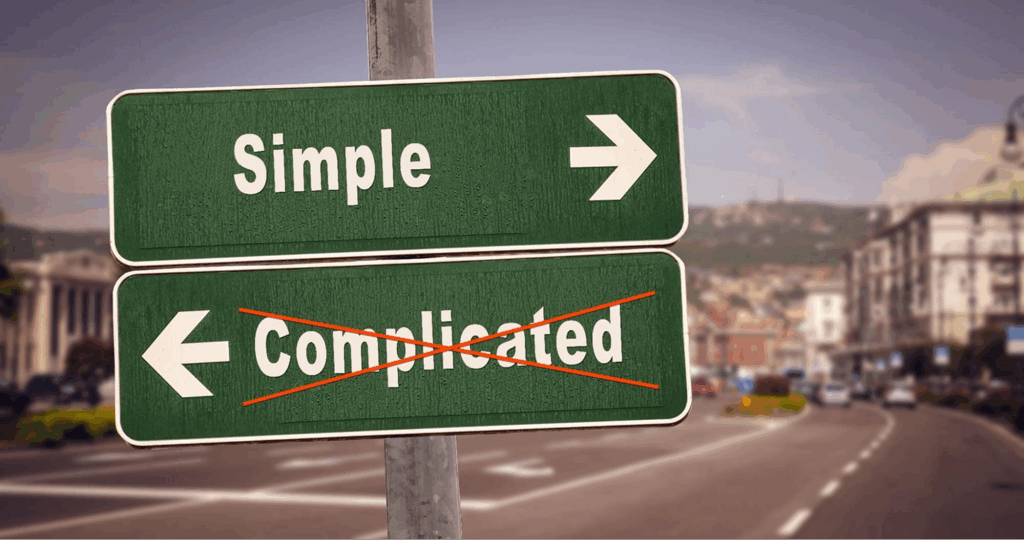
Managing money can feel overwhelming, especially when every financial tip or headline seems to say something different. But the truth is, most people don’t need a more complicated plan — they need a simpler one. When you simplify your finances, you save more than money. You save time, energy, and peace of mind.
Your energy is one of the most valuable things you have — and it’s limited. Every day, you decide where it goes: toward your work, your relationships, and the demands that fill your time. Guarding your energy isn’t about isolation or saying no to everything; it’s about knowing what drains you, what restores you, and choosing balance over burnout.
Your body constantly sends messages — through energy, tension, appetite, or fatigue. Most of us are so busy that we miss the signals until they turn into something bigger: pain, burnout, or illness. Learning to listen to your body isn’t complicated; it’s about awareness. When you start paying attention to how you feel, you can take action early — before your body has to shout to be heard.
Financial peace doesn’t come from luck — it comes from preparation. When you take time to plan, even in small ways, you replace uncertainty with confidence. You can’t control every bill or emergency, but you can control how ready you are for them. Thoughtful planning today helps you handle tomorrow with calm instead of panic.
Aging doesn’t mean slowing down — it means finding new ways to stay strong, mobile, and confident. The truth is, movement is one of the best anti-aging tools there is. Staying active keeps your muscles engaged, your joints flexible, and your mind alert. It isn’t about pushing limits; it’s about choosing movement that helps you feel capable every single day.
Feeling confident with money isn’t about having a big income — it’s about knowing how to manage what you have. Financial confidence builds from clarity, not perfection. The more you understand where your money goes, the easier it becomes to make smart decisions and worry less about what’s next.
Physical strength helps you move through the world — inner strength helps you handle it. Resilience isn’t about never feeling stress; it’s about knowing how to recover when life feels heavy. Building inner strength means learning to stay grounded, flexible, and calm, even when things don’t go as planned.
Strength isn’t built in a single workout — it’s built through consistency. Every small effort adds up to steadier energy, better mobility, and more confidence in how you move. The American Heart Association recommends at least 150 minutes of moderate activity weekly, but lasting strength isn’t about perfection. It’s about showing up, even when life is busy.
Every tap, click, and swipe leaves a trail. From online shopping to social media, your personal data is constantly being collected, shared, and stored — often in ways you never see. Protecting your digital privacy isn’t about avoiding technology; it’s about using it wisely. With a few smart habits, you can keep your information safe while still enjoying the convenience of a connected world.
How you think about life shapes how you live it. A healthy mindset doesn’t mean pretending problems don’t exist — it means learning to see them differently. Perspective determines whether you view challenges as roadblocks or opportunities to grow. When you learn to guide your thoughts instead of letting them control you, everything starts to change.
Your heart does a lot for you — it deserves the same in return. Heart health isn’t just about avoiding risk; it’s about keeping your body strong, energized, and ready for what life brings. The good news? You don’t need an extreme routine or strict diet to make a difference. Simple daily choices can have a powerful impact on your heart.
Financial health isn’t only about how much you make — it’s about how you use what you have. Smart spending doesn’t mean cutting out everything you enjoy; it means understanding where your money goes and aligning your choices with your goals. When you spend with awareness, you gain control, reduce stress, and build confidence in your financial future.
When life feels uncertain, it’s easy to spiral into worry about things that are out of your hands. Whether it’s the economy, other people’s choices, or what might happen next week, focusing on what you can’t control drains energy and heightens stress. But when you shift attention to what you can control — your habits, mindset, and daily actions — life begins to feel steadier and more manageable.
Good sleep isn’t a luxury — it’s a requirement for how your body performs, heals, and thinks. While exercise and nutrition get most of the attention, sleep is the quiet foundation behind both. When you consistently sleep well, your body restores energy, repairs muscle tissue, balances hormones, and strengthens your immune system. Without it, even the healthiest habits start to fall short.
Financial stability doesn’t always come from breakthroughs — it often grows from consistent, small habits. Saving just a little at a time might not feel impressive, but over the long run, it can change everything. Every small deposit builds momentum, creating a sense of progress and control that strengthens both confidence and security.
We live in a world that never stops talking. From constant notifications to the 24-hour news cycle, information competes for our attention every waking moment. It’s easy to feel mentally crowded — even when you’re sitting still. Protecting your peace isn’t about shutting out the world; it’s about learning when and how to step back so your mind can breathe.
Breathing is something we do without thinking — yet how we breathe has a powerful effect on how we feel. Shallow or hurried breathing can keep your body in stress mode all day, while steady, mindful breathing helps calm the nervous system, lower blood pressure, and improve focus. It’s one of the simplest ways to support your physical and mental health, no equipment required.
We live in a world that never stops talking. From constant notifications to the 24-hour news cycle, information competes for our attention every waking moment. It’s easy to feel mentally crowded — even when you’re sitting still. Protecting your peace isn’t about shutting out the world; it’s about learning when and how to step back so your mind can breathe.
Money habits work best when they’re checked regularly: not only when things go wrong. A financial health check is simply a moment to pause, review, and adjust. Just like you’d schedule a doctor’s visit or maintain your car, your finances need the same attention to stay running smoothly. When you look at the big picture often enough, small issues don’t have the chance to become bigger ones.
How you begin your day sets the tone for everything that follows. A few minutes of movement in the morning can boost energy, sharpen focus, and create momentum that carries you through the day. It’s not about squeezing in a long workout — it’s about waking up your body, clearing your mind, and setting your rhythm before the world demands your attention.
Financial health isn’t just about how much you earn — it’s about how confidently you manage what you have. Building confidence with money means understanding where it goes, making informed choices, and creating habits that support stability over time. When you know how to handle your finances, you don’t just reduce stress — you increase freedom.
For many people, slowing down feels like something to earn — a break that comes only after everything else is done. But your mind and body don’t see rest as optional; they see it as essential. Rest is the foundation of focus, creativity, and emotional balance. When you treat it as part of your routine instead of a luxury, everything else starts to work better.
Healthy eating shouldn’t feel like a full-time job. But there is so much conflicting advice online, it’s easy to feel overwhelmed — counting calories, tracking macros, or avoiding entire food groups in the name of wellness. The truth is, most people don’t need a perfect plan. What matters more is building simple, sustainable habits that make eating well part of everyday life.
Financial health isn’t just about saving and spending wisely — it’s also about protecting what you’ve already earned. In today’s digital world, that means taking steps to guard your personal and financial information from data breaches and identity theft. The reality is that even cautious people can be affected when large companies or online services experience a security incident. What matters most is how you prepare, respond, and stay aware.
Some days, the world feels like it’s moving faster than we can keep up. Between work, family, constant notifications, and the background noise of daily life, it’s easy to lose a sense of calm. But mental health isn’t built on escaping stress — it’s built on learning to manage it with intention. Finding small, steady moments of peace in your day can help quiet your mind, protect your focus, and support your overall well-being.
Most of us spend more time sitting than we realize. Between work, driving, and relaxing at home, it’s easy to let hours slip by without much movement. But your body is designed to move — and even small bursts of activity throughout the day can make a real difference in how you feel. You don’t need a gym membership or a strict routine to improve your physical health; you just need to move more, sit less, and stay consistent.
Money decisions shape more than your bank account — they shape your peace of mind. Every purchase, subscription, and savings choice tells a story about what you value. When you align spending with your priorities, finances become less about stress and more about stability.
The way you start your morning can shape your entire day. When you wake up rushing, reacting, and reaching for your phone, your brain stays in stress mode for hours. But when you begin your day with calm, purpose, and consistency, you build a foundation of focus that carries through everything else.
Flexibility doesn’t just make you more limber — it helps your body move the way it was designed to. When muscles and joints stay loose, you’re stronger, more balanced, and less prone to injury. Stretching may seem simple, but it’s one of the most effective ways to support long-term physical health.
Financial stability doesn’t happen by luck — it happens by design. Life brings unexpected twists, and having a plan in place gives you control when uncertainty strikes.
In a world that celebrates busyness, slowing down can feel uncomfortable — even wrong. We’re taught that success means staying in motion, multitasking, and maximizing every minute.
When your energy crashes halfway through the day, it’s tempting to blame your schedule — but often, it’s your nutrition that’s running on empty. What you eat (and when) directly affects focus, mood, and stamina. The right fuel doesn’t just power your body; it powers your life.
Financial wellness isn’t just about how much you make — it’s about how confidently you manage what you have. The strongest budgets aren’t built on restriction but on awareness and intentional choices.
Mental clutter doesn’t always show up as noise — sometimes it’s the endless thoughts, to-dos, and worries that make it hard to focus or rest. Just like your home, your mind needs regular clearing to function at its best. The good news? You don’t need a total life overhaul to find calm
When stress builds up, it’s easy to feel stuck — mentally and physically. But movement is one of the most powerful, free, and accessible tools we have to combat tension and improve well-being.
Financial health is more than making good spending decisions—it’s also about protecting yourself from the scams and hacks that can drain your accounts and your peace of mind.
Mental health is just as important as physical health, yet it often takes a back seat in our busy lives. Stress, constant notifications, and the pressure to keep up can leave us feeling drained. The good news is that building small mental resets into your day can help you regain focus, calm, and balance.
Staying physically healthy doesn’t always mean overhauling your entire lifestyle. Often, it’s the small, consistent steps that create the biggest impact. Whether you’re juggling work, family, or just life’s busyness, adding simple daily habits can move you closer to long-term health.